Answers in progress
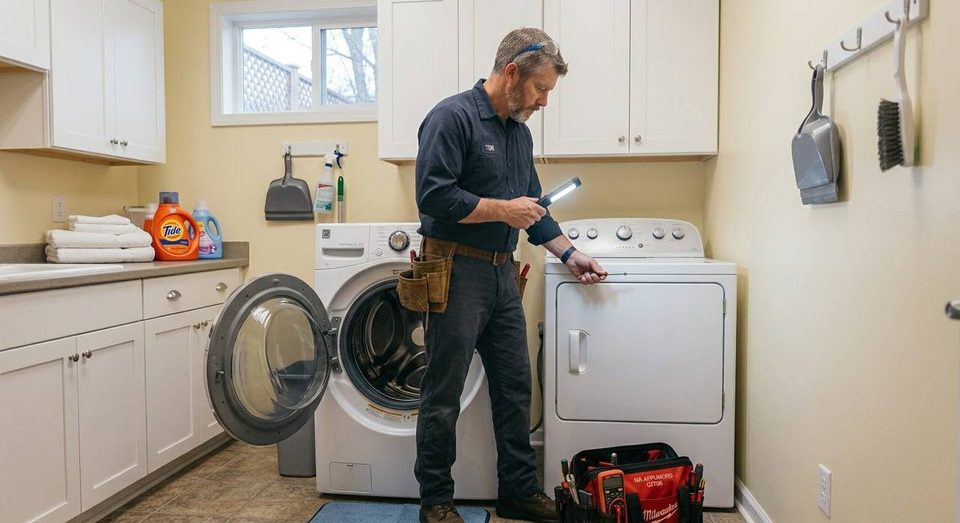
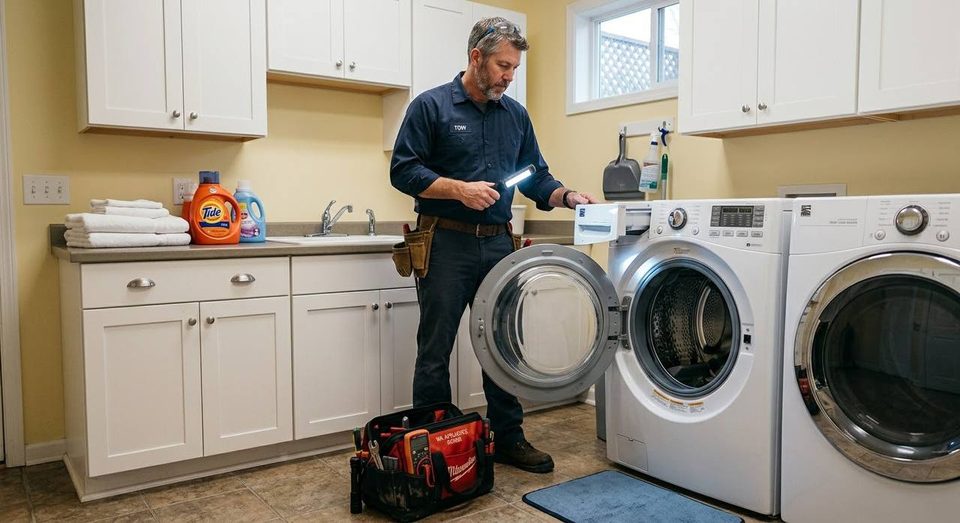
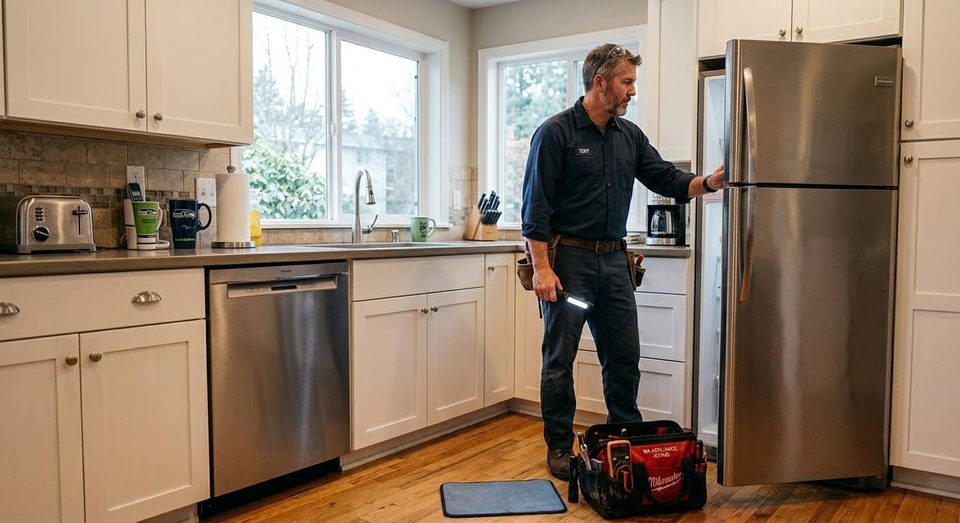
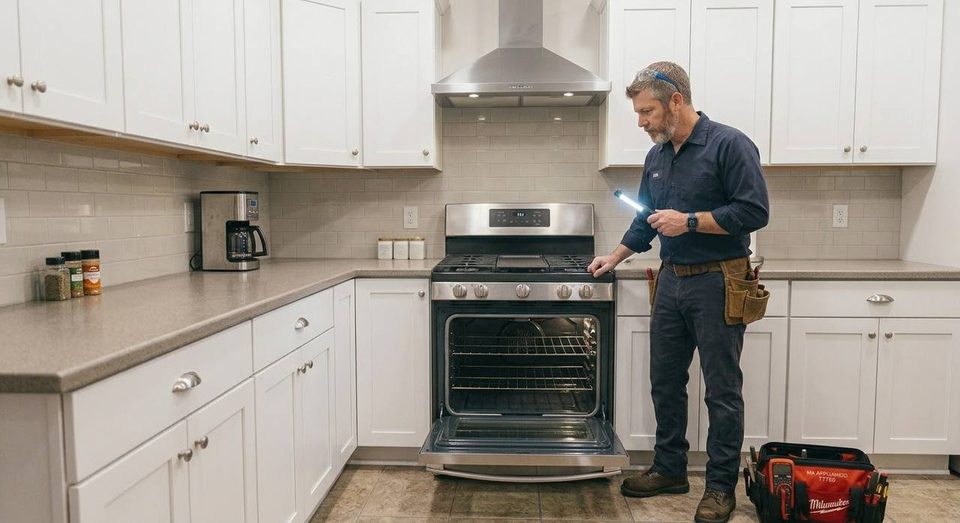
Most of these are about money, which is exactly as it should be — the money rules are the point of the shop.
The $90 sounding, when you stop at the answer — and the written quote you approved, when you don't. There is no third number, and neither of the two has fine print under it.
Lake habit: you measure the depth before you trust the water. A diagnosis should work the same way — measurements first, conclusions after, price last. The name keeps the order honest.
Really. If the machine hides a second problem, you hear about it as a separate decision with its own figure — the approved quote holds regardless. Surprises are the shop's cost of doing business, not yours.
Never — Blaine, the lake shore and everything between ride the same terms as Depot Rd's own street. Distance is the shop's weather.
Routine — tenants and neighbors open doors, owners approve quotes by text from anywhere. The empty-house repair is standing practice on the border and lake legs especially.
Card, cash, check and contactless — collected once the job is finished and proven out. Residential work takes no deposits, and paying by card adds nothing.
The part and the workmanship both, in writing, on every completed repair. Should the identical fault resurface while coverage runs, the follow-up costs you nothing — and the shop's duplicate means a lost paper changes nothing.
The phone gets you the honest lay of the land — likely suspects, worst-case shape, whether repair is even sensible for the machine's age. The figure itself waits for the sounding, because guessing prices is how invoices learn bad habits.
The phone reaches a person at the shop, not a script in a call center — ask away.
The phone gets answered across the working day; after hours, the form holds your place. Both roads end the same way — a window you can build the day around.
Mon–Fri 7:30–6 · Sat 8–2 · a thawing freezer takes the day's first slot